A hydraulic cable tensioner controls how fast a conductor pays off, and its braking system is the safety-critical part. If the brake slips, the conductor runs away; if it grabs, the pull shocks the line. A disciplined pre-operation inspection of a hydraulic cable tensioner braking system prevents both failures before they reach the tower.
What the Braking System Must Do
On the tension side, the machine applies a controlled hold-back force against the puller. The brake must hold steady tension, allow a smooth reverse pull when needed, and respond predictably to the operator's control. Each of these becomes a check item.
Know the Rated Numbers First
You cannot inspect a brake without knowing its ratings. The figures below come from two Galaxy tensioners and show what to look up on the data plate:
| Parameter |
GL1x50KN |
GL2x40/1x80 |
| Max tension |
50 kN (intermittent) |
2 × 40 / 1 × 80 kN (continuous) |
| Speed at max pull |
2.5 km/h |
2.5 km/h |
| Max speed |
5 km/h |
5 km/h |
| Max reverse pulling force |
45 kN |
2 × 35 / 1 × 70 kN |
| Certification |
ISO / CE |
ISO / CE |
| Application |
Overhead stringing |
Stringing overhead line |
The larger GL2x70 twin-bundle machine shows how the same brake logic scales up: intermittent 2 × 70 / 1 × 140 kN, continuous 2 × 65 / 1 × 130 kN and reverse 2 × 60 / 1 × 120 kN, with a 1700 mm bull-wheel, 77 kW engine and 24 V electrical system.
Common Brake Faults and Their Signs
Most brake problems fall into a few patterns. A slipping brake lets the conductor pay off faster than commanded and the tension reading drifts down. A grabbing brake releases in jerks, sending shock loads into the conductor and the rope. A slow-response brake lags behind the operator's input and lets tension wander. Each points to a different part of the circuit — wear, contamination or control calibration — and each is caught early by the checks below. Knowing the sign shortens the diagnosis when a fault appears in the field.
Environment also shapes brake behaviour. Cold hydraulic oil is thicker and slows the response of the control, while hot oil thins and can let the brake drift. Crews working across seasons should re-check the hold-back and reverse functions whenever the ambient temperature changes markedly, because the same setting can behave differently in winter and summer on the same machine.
Step-by-Step Brake Inspection
- Confirm the data-plate ratings against the day's pulling plan.
- Check hydraulic oil level and look for leaks around the brake circuit.
- Verify the hold-back force holds a steady tension with no drift.
- Test the reverse pull for smooth, controlled release.
- Confirm the operator control responds without lag or overshoot.
- Inspect the bull-wheel and brake surfaces for wear and contamination.
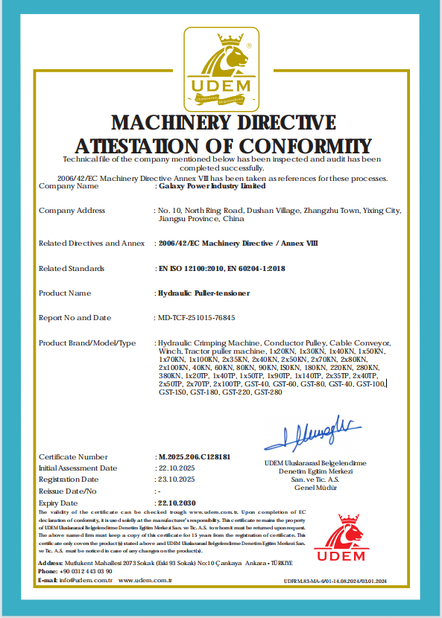
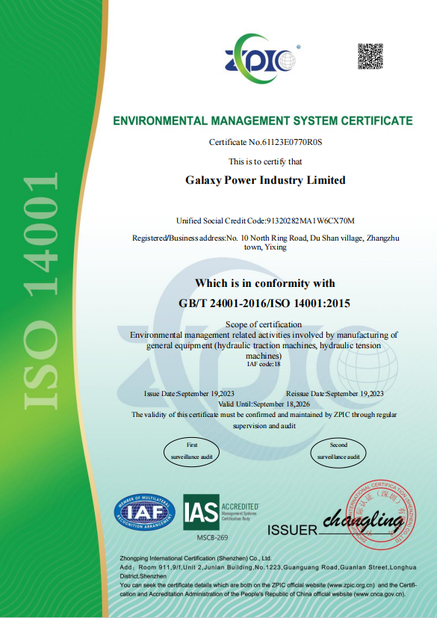
A properly specified tensioner makes inspection routine. The 110 kV 1 × 50 kN hydraulic cable tensioner and the 220 kV 2 × 40 kN tensioner both publish the hold-back and reverse figures an inspector needs. The full Hydraulic Cable Tensioner range covers 66 kV to 500 kV lines.
FAQ
How often should the braking system be inspected?
Before every field operation and after any pull that approached maximum tension. A short daily check prevents most failures.
What is a sign the brake is slipping?
The conductor pays off faster than commanded, or the tension reading falls away while the puller continues. Stop the pull and inspect the circuit.
Can I adjust the brake on site?
Only within the maker's guidance. Field adjustments beyond the specified range can unbalance the hold-back and reverse functions.
Get a Selection Recommendation
Send us your line voltage, conductor bundle, maximum tension and required reverse pull, and we will recommend a tensioner whose braking system matches the job.



 Vietnamese